CISC–INFAS HBCU Fellowship Program2025–2026 Cohort
Building the next generation of food and agriculture scholars through mentorship, professional development, research visibility, and an enduring HBCU network.
Meet the FellowsMeet the Honorees24 scholars. One connected community.
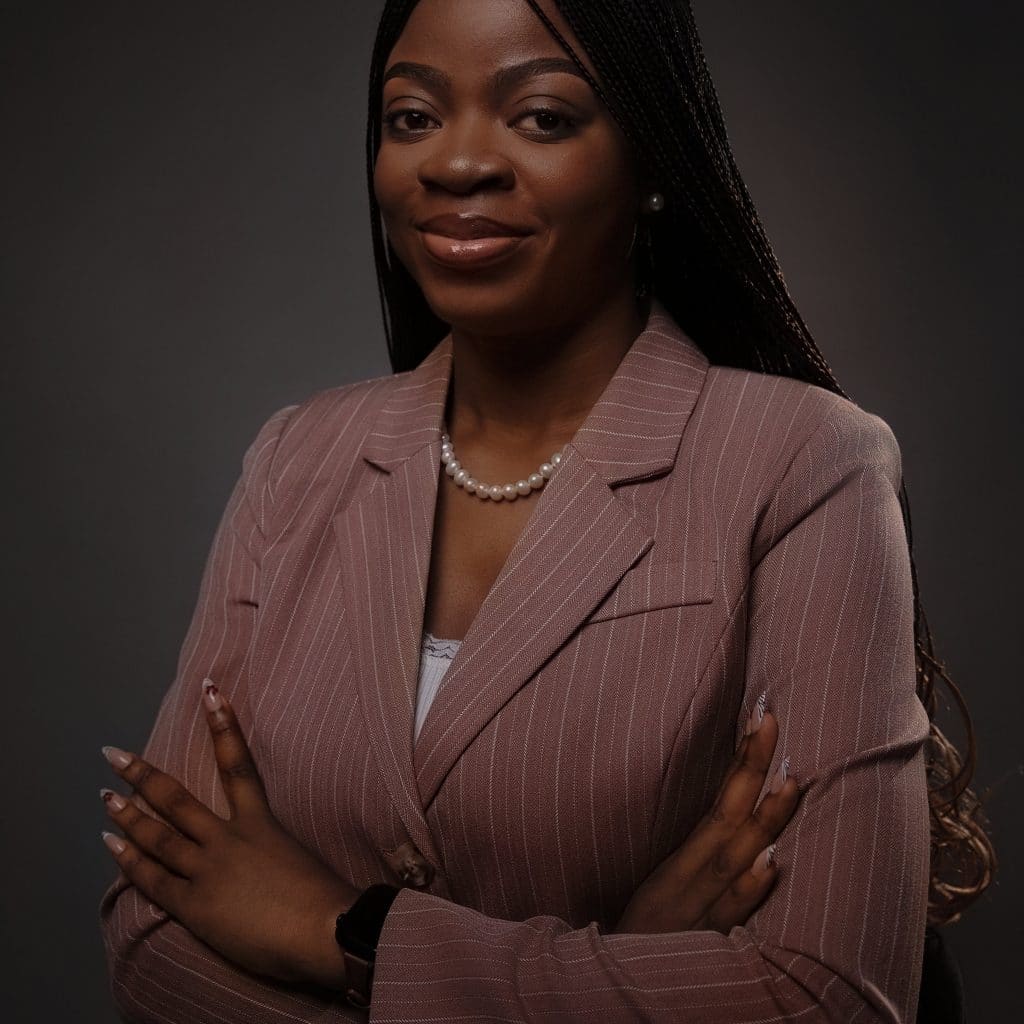
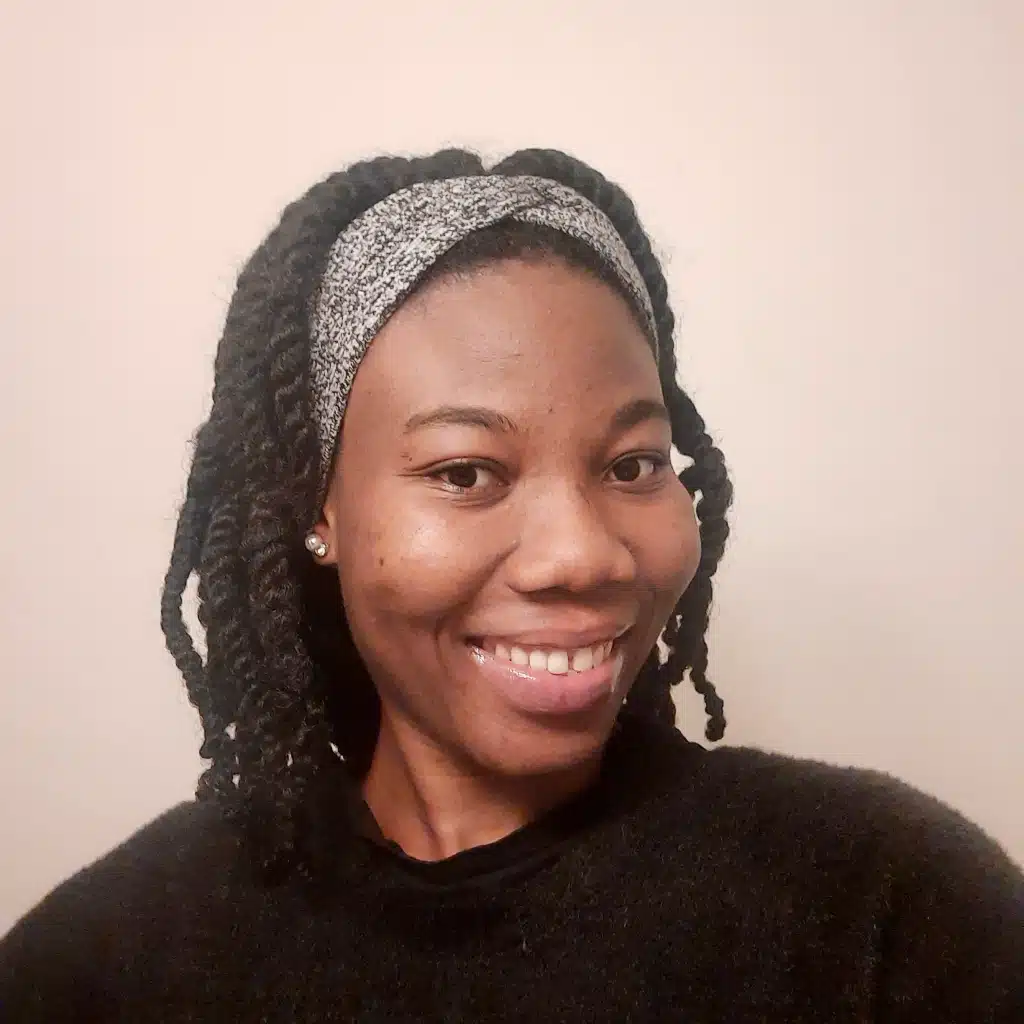
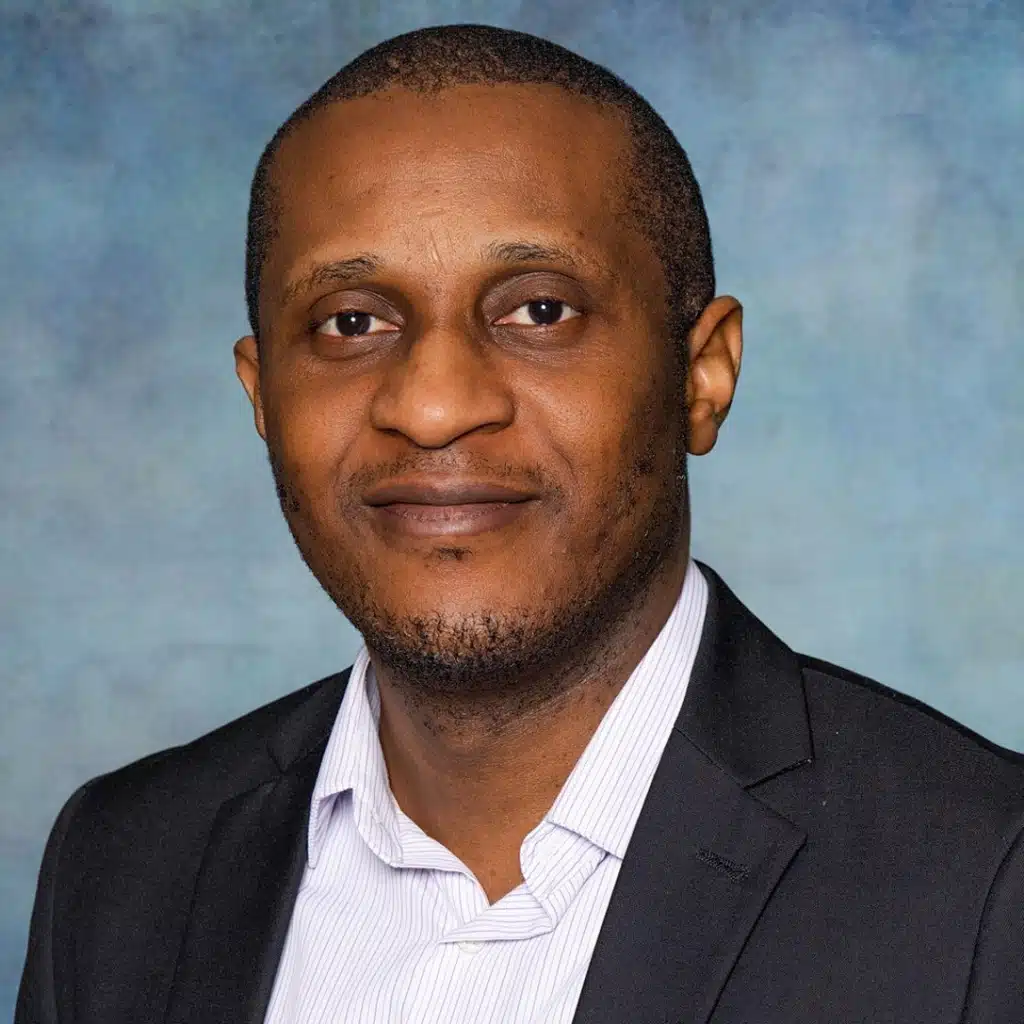
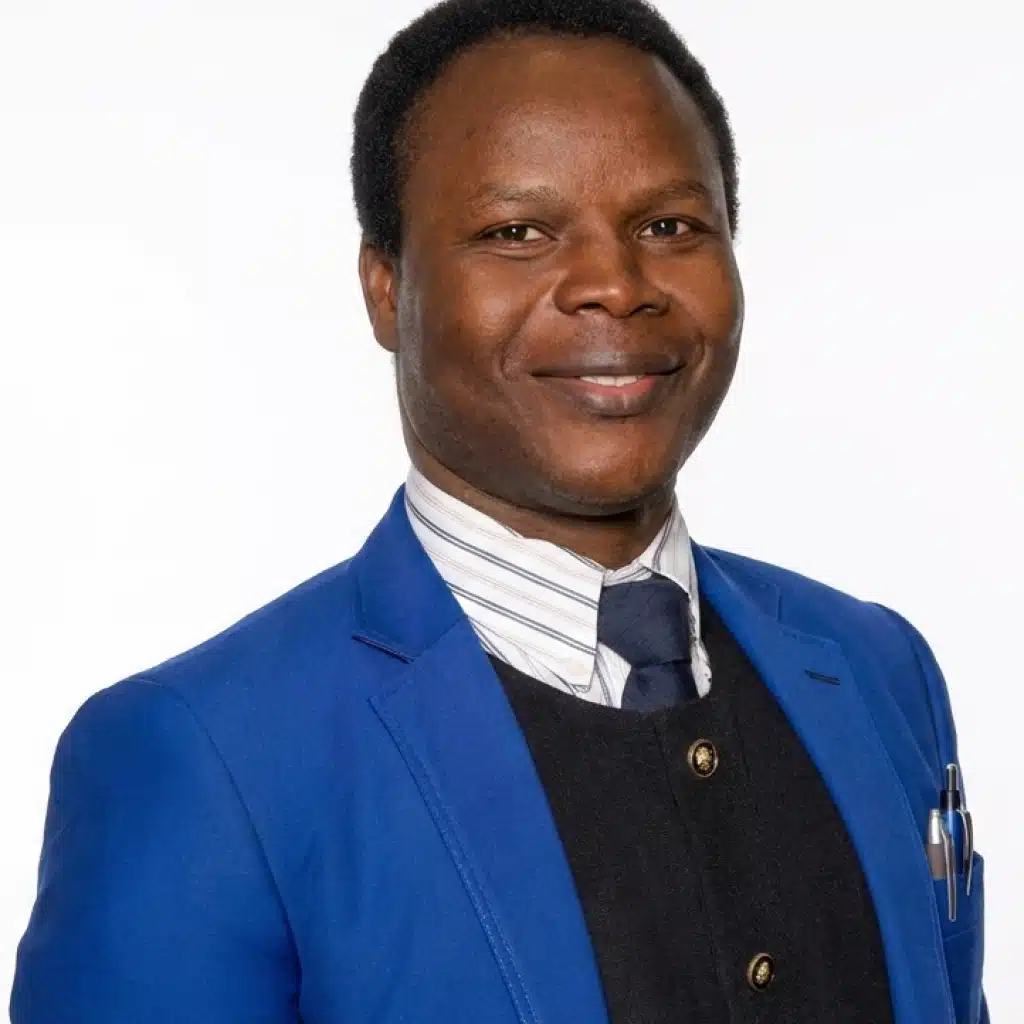
Selected from 80 applicants, the 2025–2026 cohort includes 14 Fellows and 10 Honorees. Together they represent graduate scholarship across food, agriculture, environmental science, economics, public policy, forestry, microbiology, and animal science.
Research recognized on a national stage.
All 24 members attended the 83rd Professional Agricultural Workers Conference.
Second place — poster
Third place — oral
Third place — poster
Third place — oral
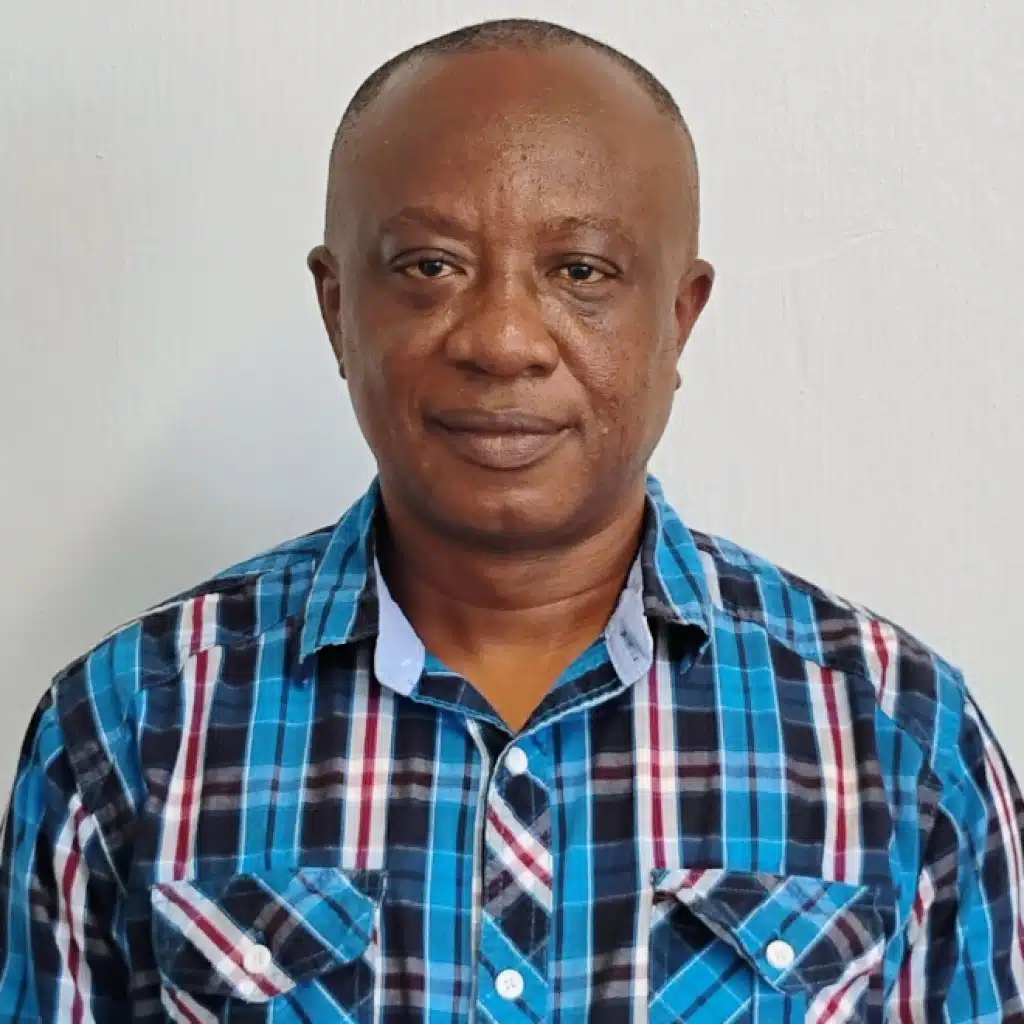
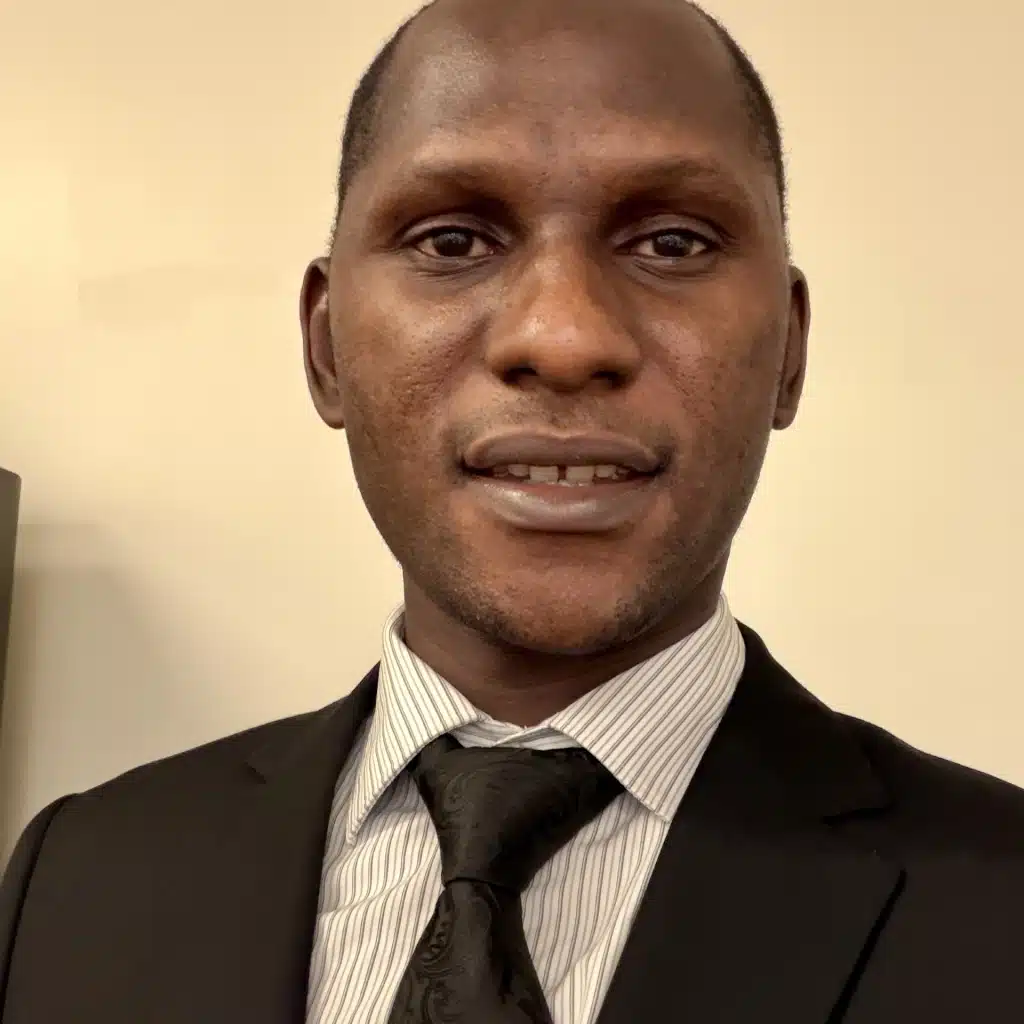
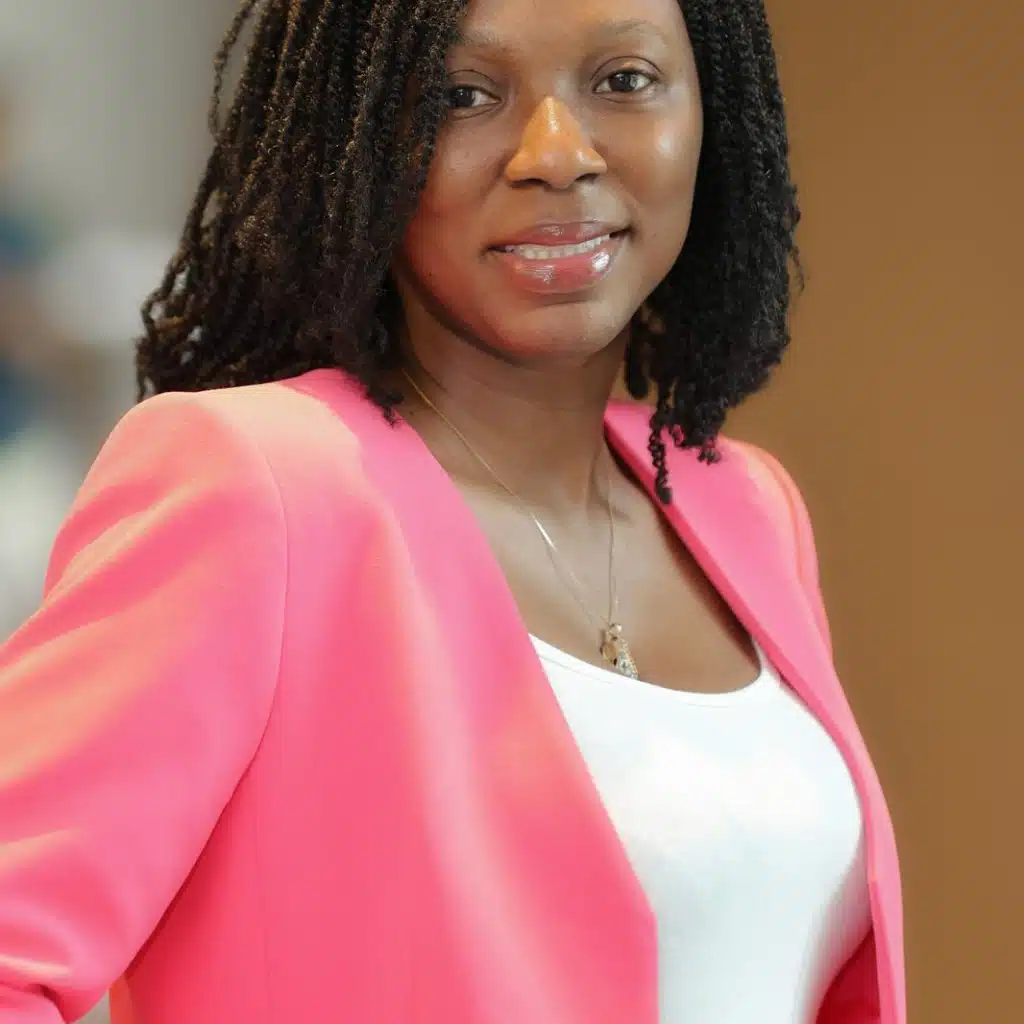
CHFP Fellows
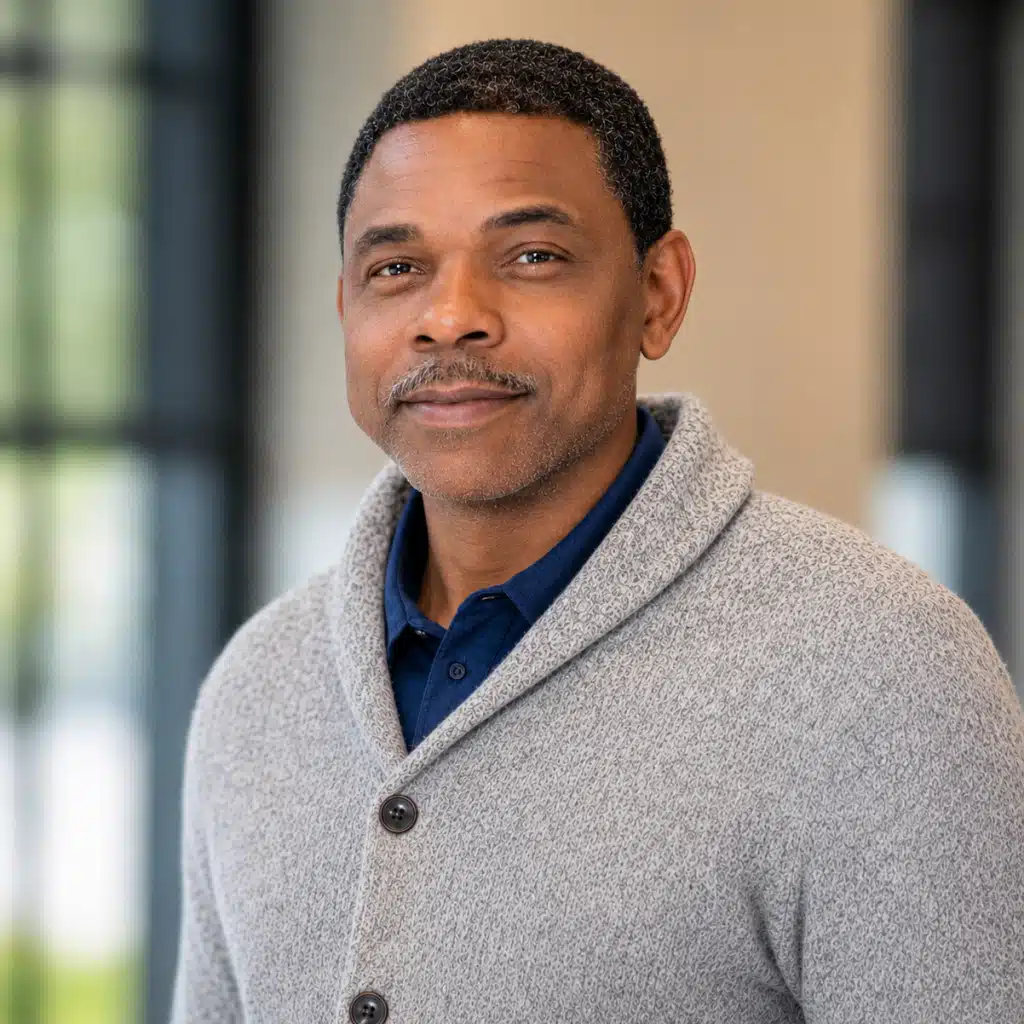
Abdul-lateef Popoola
Alcorn State UniversityAbdul-lateef Popoola researches sustainable approaches to managing crop diseases, including rapid molecular diagnostics, biological controls, essential oils, and organic soil amendments. His goal is to develop practical tools that help farmers reduce crop losses and dependence on chemical fungicides.
Alice Mukunzi
North Carolina A&T State UniversityAlice Mukunzi studies nitrogen-use efficiency among smallholder farmers using agricultural data and economic modeling. Her work aims to improve fertilizer recommendations, reduce input waste, and support stronger farm productivity and environmental outcomes.
Anthony “Solomon” Garner Jr.
Tennessee State UniversityAnthony “Solomon” Garner Jr. is an educator, leadership professional, and youth-development practitioner with experience creating agricultural career-development programs. His work centers on helping young people and communities identify opportunities, develop leadership skills, and grow through agriculture.
Dorcas Twumwaa Gyan
Southern University and A&M CollegeDorcas Twumwaa Gyan uses geospatial technologies, remote sensing, climate data, and machine learning to support sustainable agriculture and environmental planning. Her research combines satellite and weather-station information to improve soil-moisture prediction and irrigation management.
Emily Amenyenu
Alabama A&M UniversityEmily Amenyenu studies food safety, food-product development, and nutrition. Her work includes research on beverage quality and community nutrition education, with a long-term focus on improving food security and supporting healthier food choices.
Esi Dadzie
Southern University and A&M CollegeEsi Dadzie applies GIS, remote sensing, and community-engaged planning to identify gaps in urban tree canopy and develop locally informed reforestation strategies. Her work connects environmental data, urban resilience, community health, and sustainable development.
Jennifer Chi
University of Maryland Eastern ShoreJennifer Chi researches image-based food-quality assessment and the use of artificial intelligence to evaluate perishable foods. Her work seeks to reduce food waste and improve decision-making throughout food supply chains.
Jennifer M. Kennedy
North Carolina A&T State UniversityJennifer M. Kennedy studies the economic and agricultural effects of converting small farms to agrivoltaic systems. Her work examines farmland preservation, clean-energy production, job creation, crop productivity, and farmer decision-making.
Kendall Gibbs, Jr.
Alcorn State UniversityKendall Gibbs, Jr. researches agricultural trade, with particular attention to post-Brexit trade relationships between the United States and the United Kingdom. His work explores how trade policy, pricing, tariffs, and supply-chain coordination affect agricultural producers and food security.
Miya J. Moon
Alabama State UniversityMiya J. Moon studies the relationship between cultural foods, fermentation, microbial health, and parasite resistance. Her research connects traditional food knowledge with microbiology and public health.
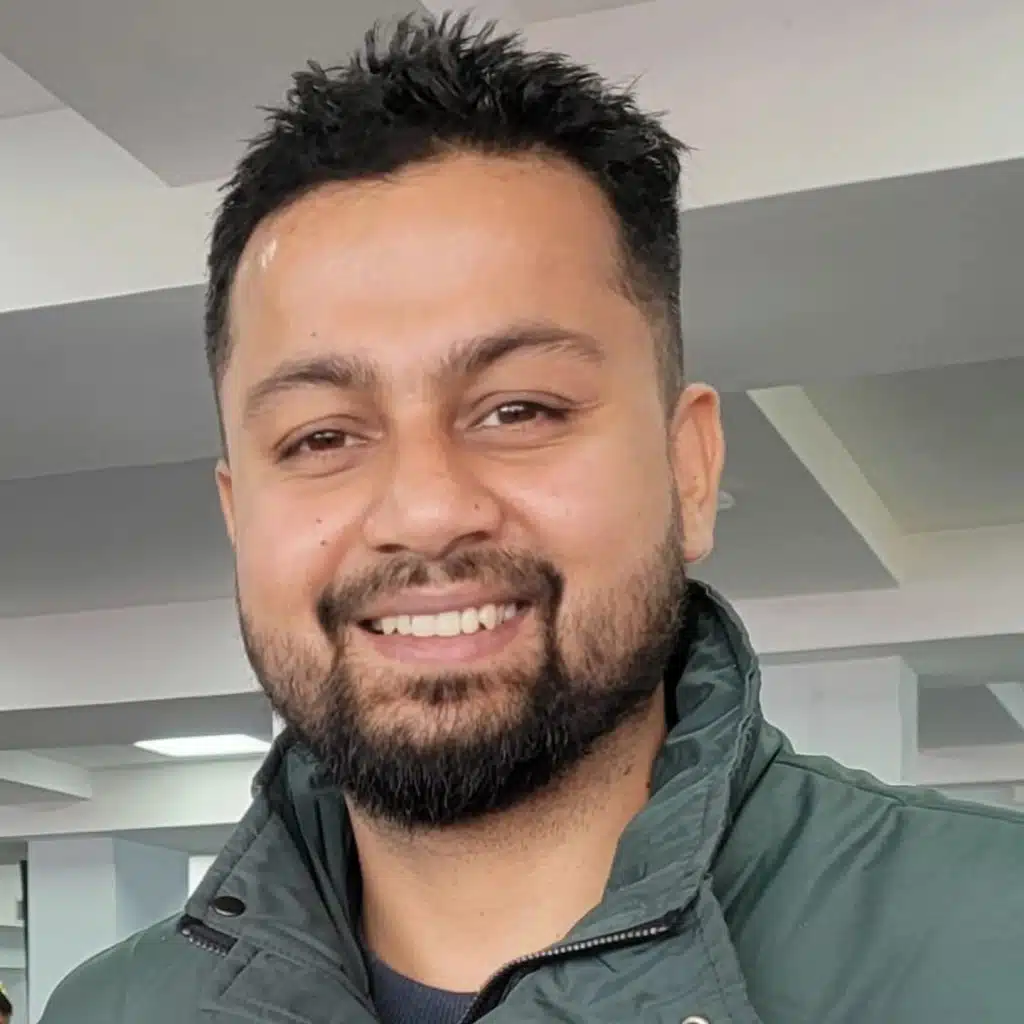
Mohak Koirala
Lincoln University of MissouriMohak Koirala studies fermentation as a method for improving food safety, extending shelf life, and reducing spoilage. His work seeks to produce accessible preservation practices that limited-resource growers can use to strengthen local food systems and increase income.
Nur Un Nesa
Lincoln University of MissouriNur Un Nesa researches nutrient management and climate-resilient crop production, with a focus on quinoa. Her work combines field research, crop physiology, and drone-based data collection to identify efficient nutrient-management practices.
Omowunmi Odeyomi
North Carolina A&T State UniversityOmowunmi Odeyomi examines how climate-related disruptions affect soybean supply chains, farm prices, and food affordability. Her research aims to inform policies that improve agricultural resilience, stabilize markets, and strengthen food access.
Viona Osei
Tuskegee UniversityViona Osei studies the genetic relationships among environmental and clinical strains of foodborne pathogens. Using microbiology and bioinformatics, she examines resistance and virulence patterns to support improved food-safety detection and public-health protection.
CHFP Honorees
Adriana Cornie
Tuskegee UniversityAdriana Cornie researches broadband access and its relationship to agricultural productivity, market participation, and local food resilience in rural Alabama. Her work seeks to develop policy recommendations that support infrastructure expansion and community development.
Anuoluwapo Adelabu
North Carolina A&T State UniversityAnuoluwapo Adelabu uses soil sensors, weather information, statistical analysis, and predictive modeling to improve irrigation decisions for small-scale farmers. Her work seeks to make precision-agriculture tools more accessible to producers who rely heavily on rainfall.
Jacqueline Yeboah
Tuskegee UniversityJacqueline Yeboah researches the health effects of diets containing blueberries and collard greens. Her work connects locally available agricultural foods, nutrition, food-product development, and strategies for addressing diet-related health concerns.
Keesha St. John
Tuskegee UniversityKeesha St. John studies Cooperative Extension curriculum development and evaluation. Her research considers how university-based extension programs can strengthen agricultural education, food security, economic development, and policy engagement.
Kingsford Kobina Annan
Southern University and A&M CollegeKingsford Kobina Annan researches how environmental systems affect human health. Using geospatial technologies, he connects public health and environmental planning to support sustainable urban spaces and community well-being.
Odinaka C. Iwuozo
North Carolina A&T State UniversityOdinaka C. Iwuozo researches sustainable, antibiotic-free poultry production. His current work evaluates onion peel as a functional feed additive that may reduce Salmonella infections, improve food safety, and offer a productive use for an agricultural byproduct.
Olaniyi Adewumi
Delaware State UniversityOlaniyi Adewumi evaluates methods used to assess soil health in Delaware croplands. His work compares field and laboratory approaches and seeks to identify management practices that preserve or improve soil quality.
Olatunde A. Oderinwale
North Carolina A&T State UniversityOlatunde A. Oderinwale researches microbial and nutritional strategies for reducing methane emissions while improving livestock productivity. His work examines native rumen bacteria and feed additives as tools for supporting climate-smart animal agriculture.
Raksha Khadka
University of Maryland Eastern ShoreRaksha Khadka studies the socioeconomic implications of heirs’ property and land ownership in rural communities. Her work uses community education and extension resources to help families understand property rights, legal risks, and opportunities to protect generational land.
Unishma Ghimire
University of Maryland Eastern ShoreUnishma Ghimire studies how thermal conditioning affects poultry health, behavior, microbial populations, and Salmonella incidence. Her research aims to strengthen poultry food safety, meat quality, and animal welfare.
Mentors
Program Team
Natilee McGruder Kyle, J.D.
Dr. Lindsey Lunsford
Dr. Raymon Shange
Dr. Brandy Phipps — INFAS
Kaith Yee
Jubair Taug
Aria Fykes
Ashley Erwin — INFAS Coordinator
Publications & digital stories
CHFP has played a crucial role in creating opportunities for students to showcase their research and establish themselves in the field of food and agriculture.
View digital stories